Accessibility has already become a legal baseline
Accessibility is also increasingly shaped by regulations. In Germany, the Barrierefreiheitsstärkungsgesetz (commonly abbreviated as BFSG) came into force on 28th June 2025. Since then, many digital products and services have been required to comply with accessibility standards derived from WCAG and EN 301 549.
The law is part of the broader European Accessibility Act and affects companies across multiple industries that offer digital services to consumers.
For app teams, this development changes the context in which accessibility is discussed. It is no longer only about best practices or brand perception. For many companies operating in Germany and the EU, accessibility has become a legal requirement that must be considered in product development and digital strategy.
From a marketing perspective, this matters because retrofitting accessibility late in the product lifecycle often affects the same user flows that marketing campaigns rely on. Addressing accessibility early therefore reduces both compliance risk and long-term optimization challenges.
Why accessibility matters for app marketers
At first glance, accessibility may appear to be a topic for product and design teams. However, the impact of accessibility decisions often shows up directly in marketing metrics.
Most acquisition campaigns assume that users who install an app can successfully complete the next steps in the customer journey. If those steps include barriers such as unreadable text, poor contrast or elements that cannot be accessed with assistive technologies, some users will simply abandon the process.
In analytics dashboards, this often appears as unexplained drop-offs in onboarding or lower than expected activation rates. The underlying cause may not be traffic quality or messaging, but rather a usability barrier that prevents part of the audience from progressing.

Accessibility issues therefore behave like silent funnel leaks. They do not trigger obvious technical errors, but they reduce the number of users who reach the actions marketers are optimizing for. Over time, this leads teams to optimize for the subset of users who experience the least friction while excluding others without realizing it.
Accessibility is also closely connected to reach. A significant portion of the population lives with permanent or temporary impairments. Improving accessibility effectively increases the number of users who can successfully engage with an app without increasing acquisition spend.
Why accessibility often remains invisible
Despite these effects, accessibility rarely appears in marketing dashboards or performance reports. One reason is that many app teams do not have the measurement infrastructure required to detect its impact.
From our perspective, accessibility belongs in the same category as attribution setup, event tracking, and experimentation frameworks. Without clean event naming, reliable funnel definitions, and consistent measurement, it becomes difficult to connect product changes with marketing performance outcomes.
At Customlytics, we often see that companies invest heavily in building an app but underestimate the marketing infrastructure required to scale it effectively. Topics such as attribution tracking, CRM orchestration, and analytics architecture determine whether teams can understand how users move through the lifecycle and where optimization opportunities exist. Accessibility improvements only become visible when these foundations are in place.
Examples of accessibility in mobile apps
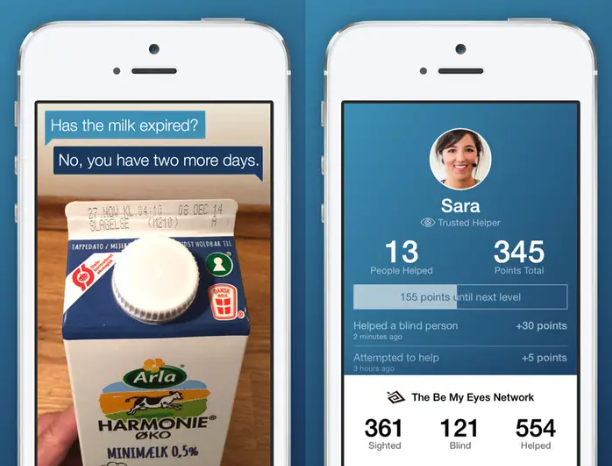
Several organizations have already integrated accessibility into their digital products in meaningful ways. On a global level, the app Be My Eyes provides an interesting example of accessibility driven innovation. The app connects blind and low vision users with volunteers who assist them through live video. In this case, accessibility is not just a feature but the core value proposition of the product.
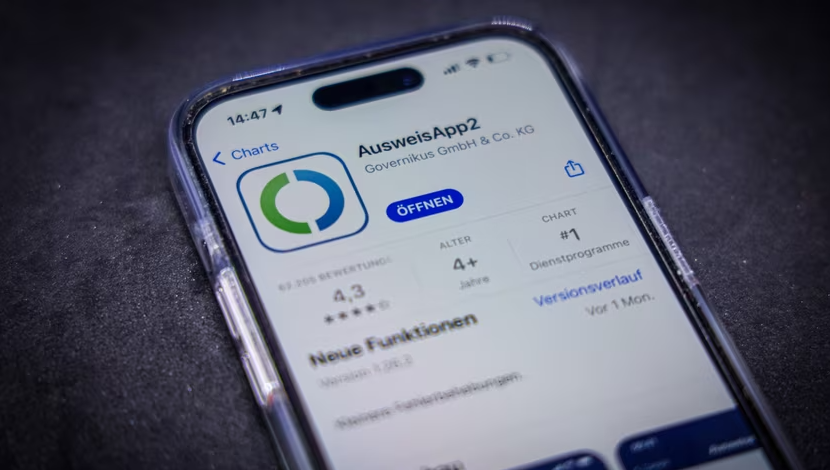
The official German eID application AusweisApp2 provides accessibility support and documentation aligned with national and European accessibility standards. The app demonstrates how government-backed digital services can be designed to support assistive technologies and inclusive navigation from the start.
Accessibility is also deeply embedded on the platform level by companies like Apple, which integrates features like VoiceOver, Live Captions, and AssistiveTouch directly into its operating systems. These platform-level capabilities set expectations for app developers and demonstrate how accessibility can be integrated into everyday digital experiences.

Together, these examples show that accessibility is not limited to niche products. It is increasingly becoming part of how digital services are designed and evaluated.
What app marketers should consider
Accessibility does not necessarily require a separate project or a major redesign to get started. From a marketing perspective, the first step is awareness. When analyzing funnel performance or activation rates, teams should consider whether usability barriers could be influencing results.
The next step is collaboration. Accessibility improvements are most effective when marketing, product, and engineering teams work together, especially around onboarding, monetization flows, and retention mechanisms.
Measurement is equally important. When event tracking and analytics are structured properly, teams can observe how changes affect activation, engagement, and retention metrics. This makes accessibility improvements part of the same optimization process as other product changes.
Finally, accessibility should be viewed as part of any scaling strategy. Before increasing acquisition budgets or expanding into new markets, it is worth ensuring that the product experience works for as many users as possible.
Final thoughts
Accessibility is gradually moving from the margins of product design to the center of digital strategy. Regulatory developments such as the German BFSG have accelerated this shift, but the underlying drivers are broader. Accessible design improves usability, expands reach, and provides better digital experiences for a wider audience.
From our perspective, accessibility becomes truly actionable when it is connected with strong measurement and marketing infrastructure. When teams can observe how accessibility improvements affect real user behavior, they become part of the same continuous optimization process that drives modern app growth.
In that sense, accessibility is not just a design principle. It is another building block for apps that want to grow sustainably in an increasingly mobile-first world.
💜📱Knowledge sharing is at the core of what we do. Become part of our community on LinkedIn or get our Marketing Master Map for free to learn how to make apps succeed in the competitive mobile landscape.
Helpful links: